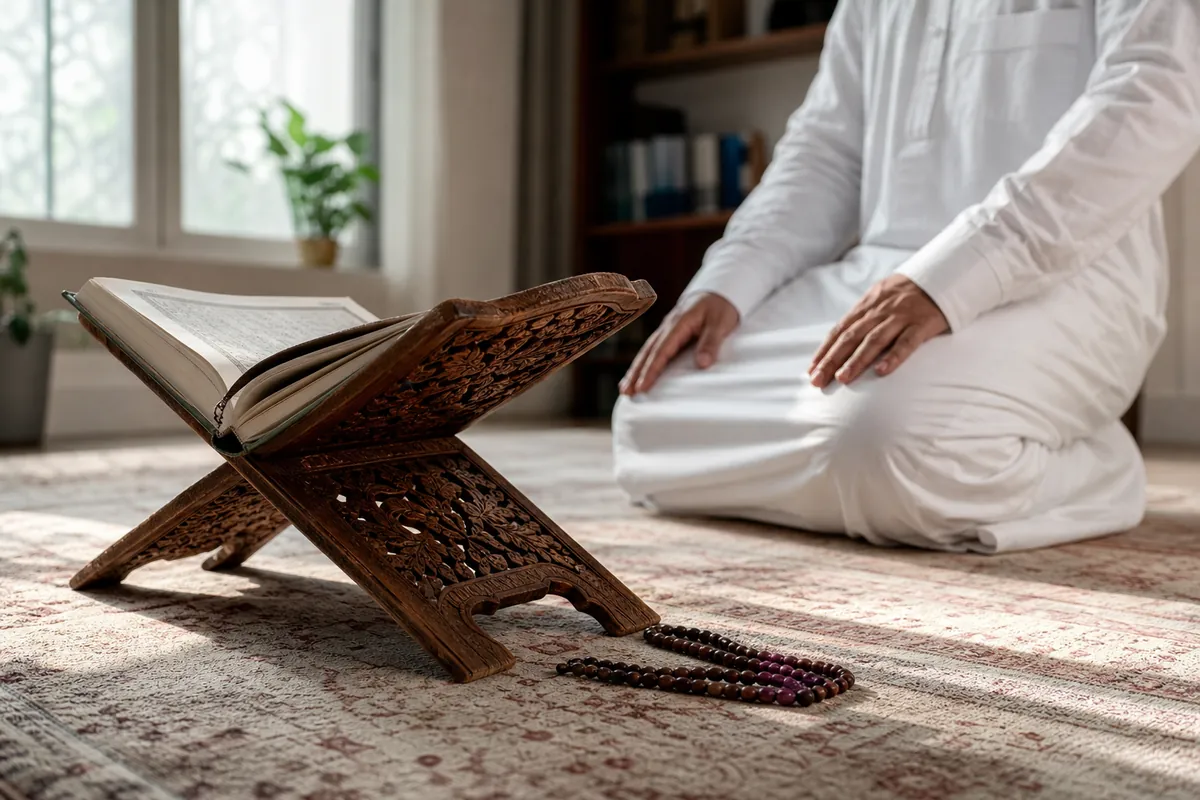
Court Marriage Lawyers in Pakistan help adult couples marry by their own choice through a lawful Nikah, backed by free-will affidavits and registration with the Union Council. There is no separate court-marriage statute for Muslims; the protection comes from careful documents, attestation before a Justice of the Peace and proper registration under the Muslim Family Laws Ordinance 1961.
Executive Summary: What Court Marriage Lawyers in Pakistan Do for You
Quick Answer
A court marriage in Pakistan is a Nikah performed with lawyers' help. We prepare free-will affidavits, have them attested before a Justice of the Peace, arrange the Nikah with a licensed registrar and witnesses at our office, and register the Nikah Nama so the NADRA Marriage Registration Certificate can be issued.
What It Is and Who Needs It
Couples who choose this route include adults marrying against family wishes, couples who want a simple ceremony, divorced or widowed persons remarrying and couples where one partner is a foreign national. Anyone who expects their marriage might later be questioned benefits from Court Marriage Lawyers in Pakistan preparing the paperwork.
Fee Basis
The court marriage fee is quoted after a short consultation, because it depends on the documents, the attestation needed and whether protection steps are required. Where only a straightforward Nikah is wanted, a basic Nikah in Pakistan starts from PKR 7,000.
Timing
With documents in order, the Nikah and an officially registered Nikah Nama can be completed on the same day. The NADRA MRC usually follows in one to two days. If a protection or harassment petition becomes necessary, court timings are not fixed.
How to Start
Message us on WhatsApp +92 333 1127830 or email info@onlinemarriagelawyers.com with a short outline of your situation. Calls are answered 10 am to 10 pm and WhatsApp is open 24/7. Head office: Supreme Corner, Johar Chowrangi, Gulistan-e-Johar, Karachi.
The Legal Basis Behind a Court Marriage
Pakistan has no civil-marriage law for Muslims, so a judge does not marry the couple, whatever some advertisements suggest. The marriage is a Nikah under Muslim personal law, and section 5 of the Muslim Family Laws Ordinance 1961 requires it to be registered. Notice periods and 30-day waits belong to Indian law, not Pakistani practice.
An adult Muslim woman may marry with her own free consent. The Supreme Court confirmed this in Hafiz Abdul Waheed v Asma Jehangir, PLD 2004 SC 219, so a wali's consent is not a legal condition. Court Marriage Lawyers in Pakistan rely on this principle when families object.
Age and Capacity Rules
In Sindh both parties must be at least 18 under the Sindh Child Marriages Restraint Act 2013. Other provinces and the Islamabad Capital Territory have their own laws, which have changed recently, so check the province's current law before fixing a date. A married man needs Arbitration Council permission under MFLO section 6 for a second marriage.
Step-by-Step Service From Court Marriage Lawyers in Pakistan
- Consultation: we confirm identities, age, marital status and any risk from family members.
- Affidavits: free-will declarations are drafted for both parties, stating that they marry by choice and without pressure.
- Attestation: the declarations are attested before a Justice of the Peace (Magistrate) under section 22-A Cr.P.C., not merely before a notary.
- Nikah: a licensed Nikah Registrar conducts the Nikah at our office with two adult witnesses and our lady lawyer present.
- Registration: the Nikah Nama is registered with the Union Council or Cantonment Board.
- Certificate: the NADRA Marriage Registration Certificate is requested and handed to the couple.
With Court Marriage Lawyers in Pakistan, each step creates evidence. If a relative later alleges abduction or claims the bride was forced, the attested declarations, the registered Nikah Nama and the presence of independent witnesses help show that both adults acted freely.
Documents Checklist for Court Marriage
| Document | Groom | Bride | Notes |
|---|---|---|---|
| CNIC original and copy | Yes | Yes | Passport for foreign nationals |
| Recent photographs | Yes | Yes | Usually four each |
| Witnesses' CNICs | Two adult witnesses | Two adult witnesses | Can be arranged at the office |
| Divorce or khula decree | If previously married | If previously married | With iddat completed for the bride |
| Death certificate of spouse | If widowed | If widowed | Copy is generally sufficient |
| Arbitration Council permission | If already married | Not applicable | MFLO section 6 |

Court Marriage Lawyers in Pakistan Versus a Nikah Khawan Alone
Many providers advertising court marriage are Nikah Khawans without legal training. Court Marriage Lawyers in Pakistan bring something different: they can judge whether a case carries risk, draft declarations that hold up in court and act at once if a false FIR or harassment follows.
Differences You Will Notice With Our Court Marriage Lawyers in Pakistan
- Qualified High Court advocates handle the file, led by senior advocate Mohsin Ali Shah, practising since 1985.
- Mrs Sobia Mohsin, our lady family lawyer, speaks privately with the bride to confirm her consent.
- Declarations are attested before a Justice of the Peace, which carries more weight than an oath commissioner's stamp.
- Licensed registrars Ali Mohsin and Syed Sajjad Bukhari Sahib complete and register the Nikah Nama.
- The office is family-friendly, so relatives who support the couple can attend comfortably.
How Court Marriage Lawyers in Pakistan Respond When Families Object
If a family threatens the couple, lawful remedies are available. Court Marriage Lawyers in Pakistan can file a protection or harassment petition in the High Court, help with complaints to the police and arrange for statements to be recorded before a Magistrate. Forced marriage and honour violence are crimes under the Pakistan Penal Code.
For Court Marriage Lawyers in Pakistan, safety planning matters as much as paperwork. We discuss where the couple will stay, who should be told and what to do if police visit, so that the marriage and the couple are both protected.
City Coverage for Court Marriage Lawyers in Pakistan
Our team works from Karachi and coordinates with trusted counsel in Lahore, Islamabad and Rawalpindi when a couple cannot travel. The Nikah can be registered with the Union Council where the bride or groom lives, and our team follows the registration through to the NADRA certificate.
What We Don't Claim
- We do not guarantee the outcome of any petition, FIR or family dispute.
- We do not call our firm government approved.
- We do not marry anyone below the lawful age or without free consent.
- We do not quote court timelines, which depend entirely on the court.
Frequently Asked Questions
Is court marriage legal in Pakistan?
Yes. What people call court marriage is a lawful Nikah between adults who consent freely, supported by affidavits and registered with the Union Council under MFLO section 5. There is no separate court-marriage statute for Muslims, and a judge does not perform the marriage.
Do we need our parents' permission?
No, not as a legal condition. An adult Muslim woman may marry by her own consent, as held in Hafiz Abdul Waheed v Asma Jehangir, PLD 2004 SC 219. Families are often involved and that is welcome, but their refusal does not invalidate a lawful Nikah.
Is there a 30-day notice period?
No. Notice periods and 30-day waits apply under Indian special marriage law, not in Pakistan. Once documents are ready, the Nikah and an officially registered Nikah Nama can be completed the same day, with the NADRA MRC usually following within one to two days.
What is the fee?
The court marriage fee is quoted after a short consultation, because it depends on documents, attestation and any protection steps. For a simple Nikah without these elements, our basic Nikah within Pakistan starts from PKR 7,000. Our Court Marriage Lawyers in Pakistan explain every charge before you commit.
Why attest declarations before a Justice of the Peace?
A free-will declaration attested before a Justice of the Peace under section 22-A Cr.P.C. is stronger evidence than one stamped by a notary or oath commissioner. If the marriage is challenged, it shows that both adults confirmed their choice before a judicial officer.
What is the minimum age?
In Sindh both parties must be at least 18 under the Sindh Child Marriages Restraint Act 2013. Punjab, Khyber Pakhtunkhwa, Balochistan and Islamabad have their own laws, some recently amended, so check the province's current law. Responsible Court Marriage Lawyers in Pakistan do not proceed with underage marriages.
Can a divorced woman have a court marriage?
Yes, once her iddat has ended. She should bring the divorce certificate from the Union Council or the khula decree. Court Marriage Lawyers in Pakistan check that the earlier marriage was properly dissolved, because an unfinished divorce can make a new Nikah vulnerable to challenge.
What if my family files a false FIR?
Do not ignore it. Court Marriage Lawyers in Pakistan can seek protective bail, file a petition in the High Court and present the attested declarations and registered Nikah Nama as evidence of free consent. Each case depends on its facts, and no outcome can be guaranteed.
Can a foreign national marry through court marriage?
Yes. A foreign spouse usually needs a passport, a valid visa and, where relevant, a conversion certificate and proof of single status. A Muslim man may marry a woman of the People of the Book; other interfaith situations need individual advice.
Where will the Nikah take place?
The Nikah normally takes place at our head office at Supreme Corner, Johar Chowrangi, Gulistan-e-Johar, Karachi, with a lady lawyer, registrar and witnesses present. Couples in other cities can be assisted by Court Marriage Lawyers in Pakistan through coordinating counsel, and remote options exist where one party is abroad.
Reviewed by: Advocate Sobia Mohsin Shah · Senior advocate Mohsin Ali Shah (since 1985)
Last updated: 15 November 2026
General information under Pakistani law, not advice on your case. Recognition abroad depends on the law of the country concerned.